Transcript Oral History Transcript
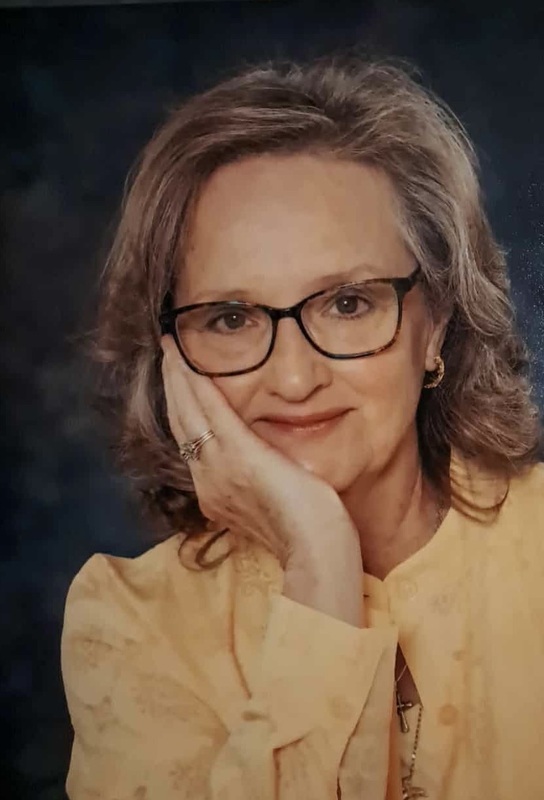
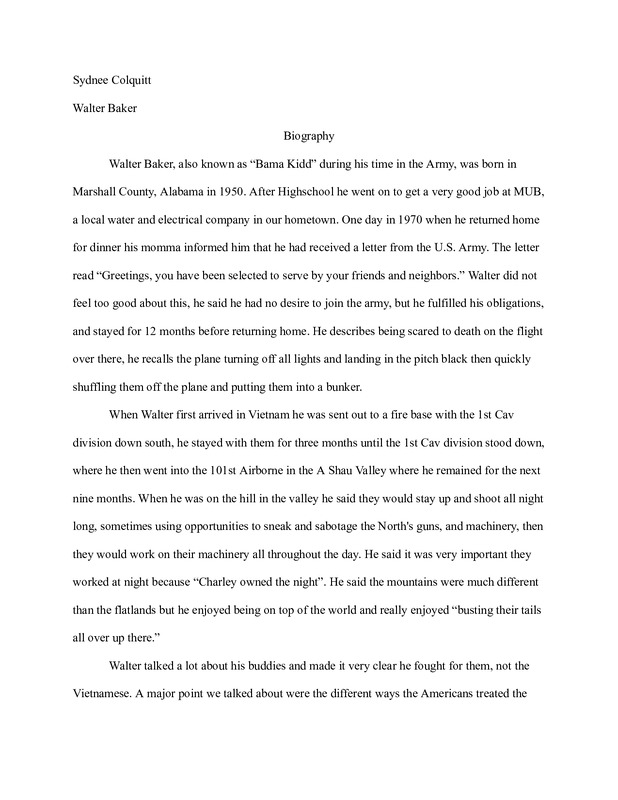
Sydnee Colquitt: I am Sydnee Colquitt. I am doing my oral history interview for the Vietnam War, and I am interviewing my great uncle.
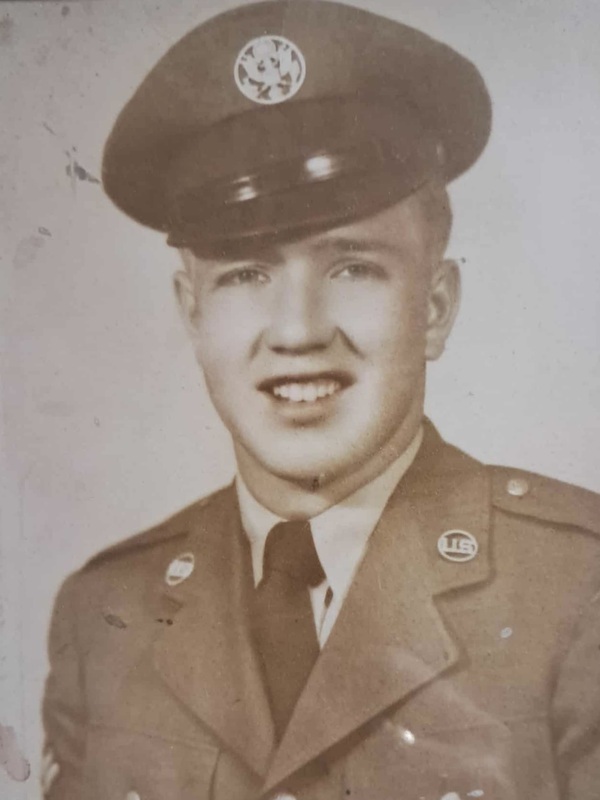
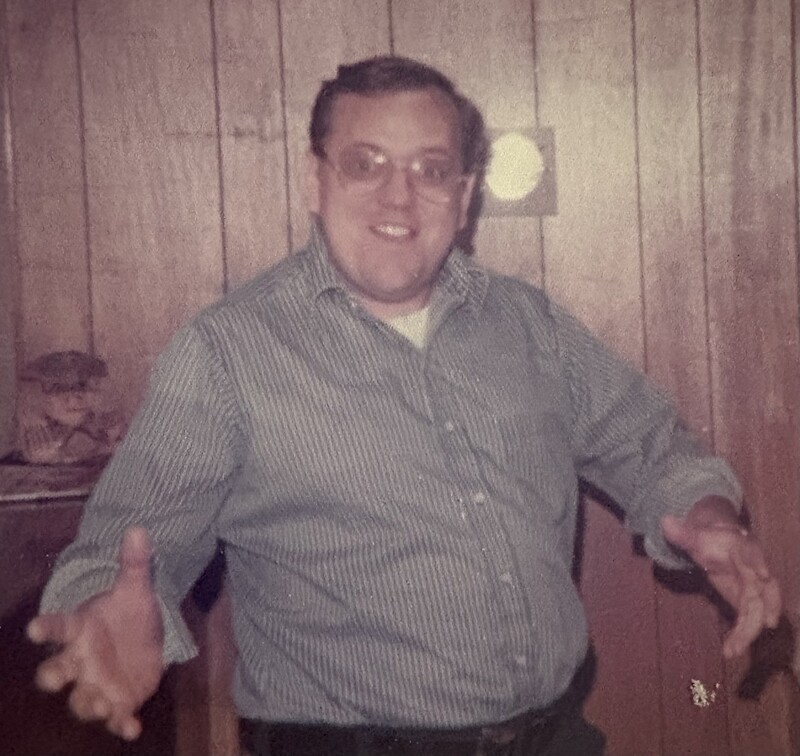
Walter Baker: Walter Baker
Sydnee Colquitt: So how old are you now?
Walter Baker: Seventy five.
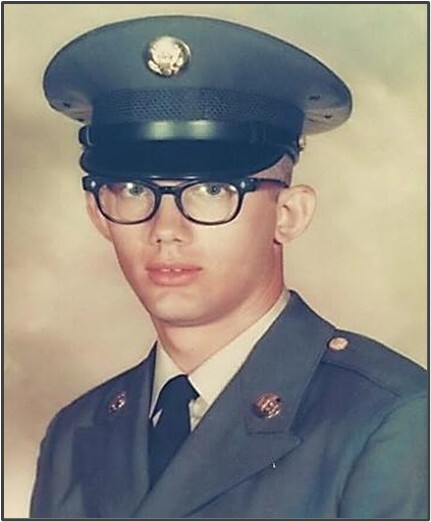
Sydnee Colquitt: So I know you were drafted to the war
Walter Baker: Right
Sydnee Colquitt: So what was your life like before the draft?
Walter Baker: Ah, Great. I worked for Mub [Electrical and Water Company from our town]. And, uh, I went home for dinner one day and momma said you got a letter from the army, and I said ah shoot. It said Greetings you have been selected to serve by your friends and neighbors.
Sydnee Colquitt: How did you feel about that at the time?
Walter Baker: I didn’t feel too good about that. I didn’t, I didn’t desire to be in the Army.
Sydnee Colquitt: Do you agree with the draft today or do you think it should be?
Walter Baker: No, I think they outta have the draft now. It would do these kids a lotta good.
Sydnee Colquitt: I agree. So, did you go to the war with any of your friends, or were you just by yourself?
Walter Baker: Mm, um, well, one guy I went with, uh, Don Bromley, we was in AIT together, and, uh, we went together, and we stayed together the whole time.
Sydnee Colquitt: When you were drafted, can you, like, describe your flight going over there? In the moments leading up before knowing you were in Vietnam?
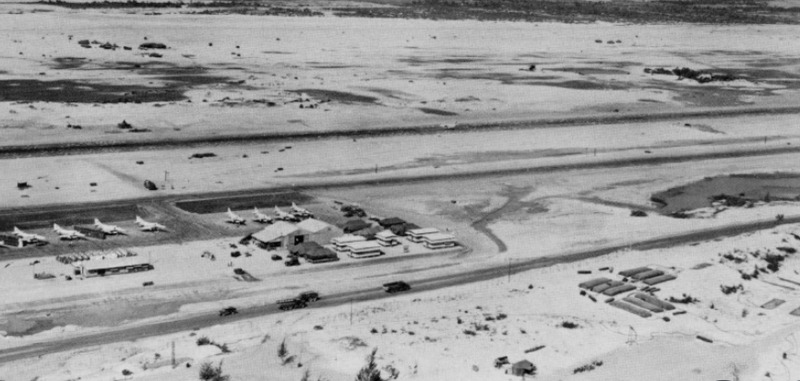
Waltr Baker: Scared to death. You know, didn't know. We, I didn't even think it had no lights over there. When we started landing over there I seen some lights, but most of those were military lights, you know. And uh, we, uh, flew into Fubai, and uh, just, um, seen you know, airplane, they said, you know, stay low and get in the bunker. I said oh dang, this stuffs serious.
Sydnee Colquitt: After you landed, what was your moments, like, a couple days after leading up until, you uh…
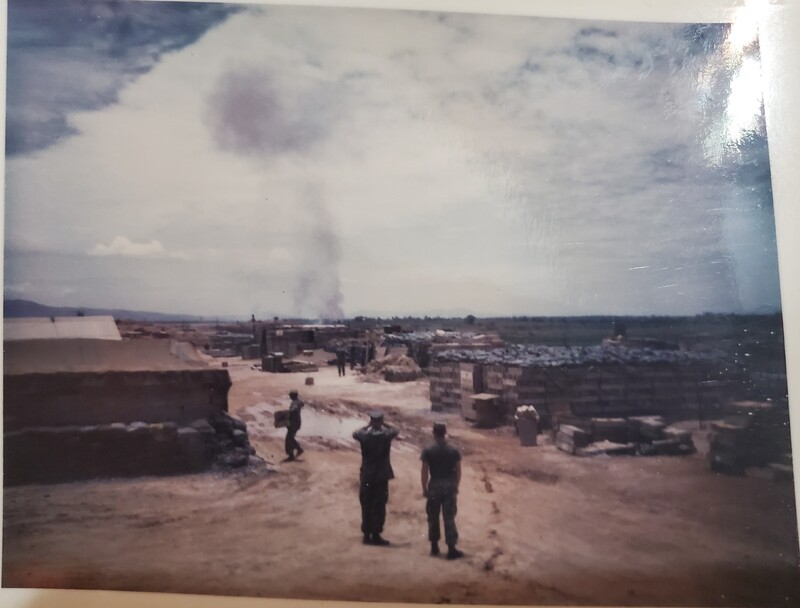
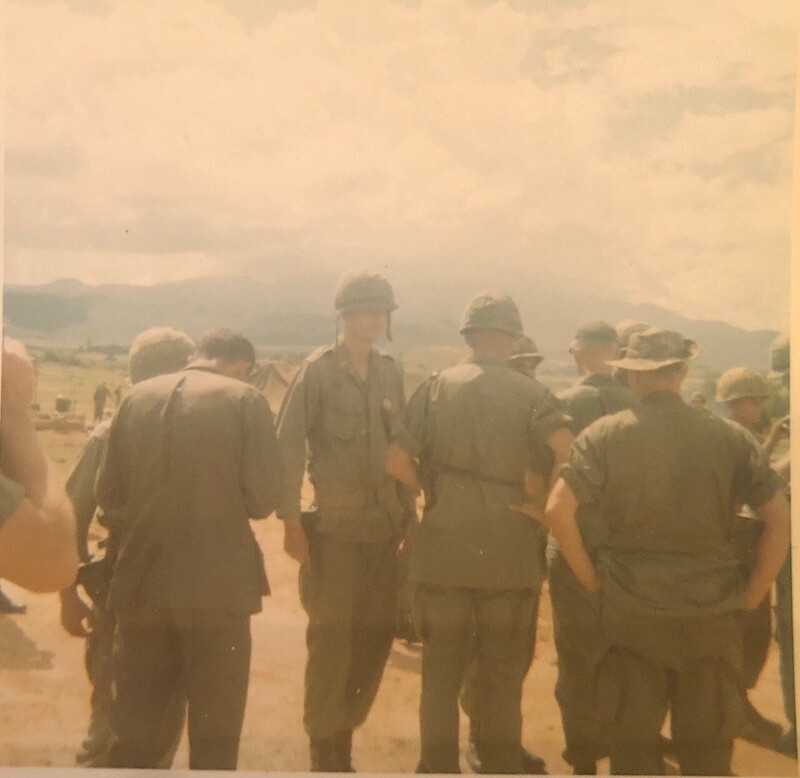
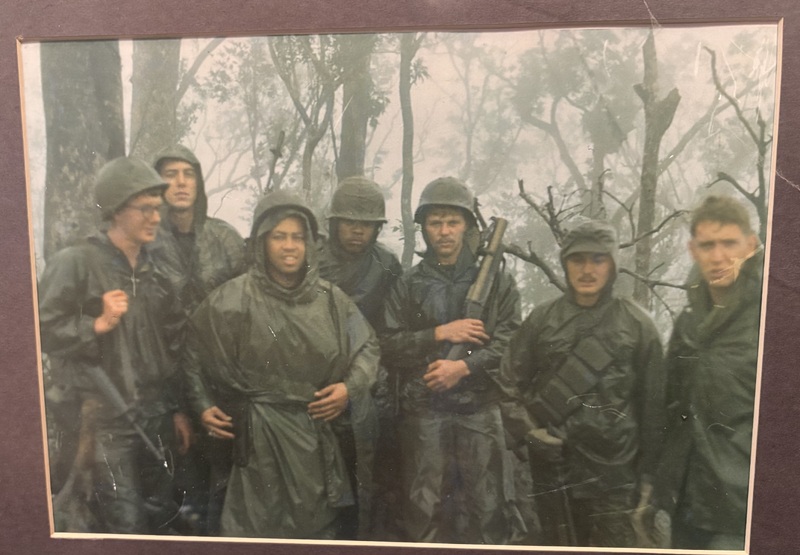
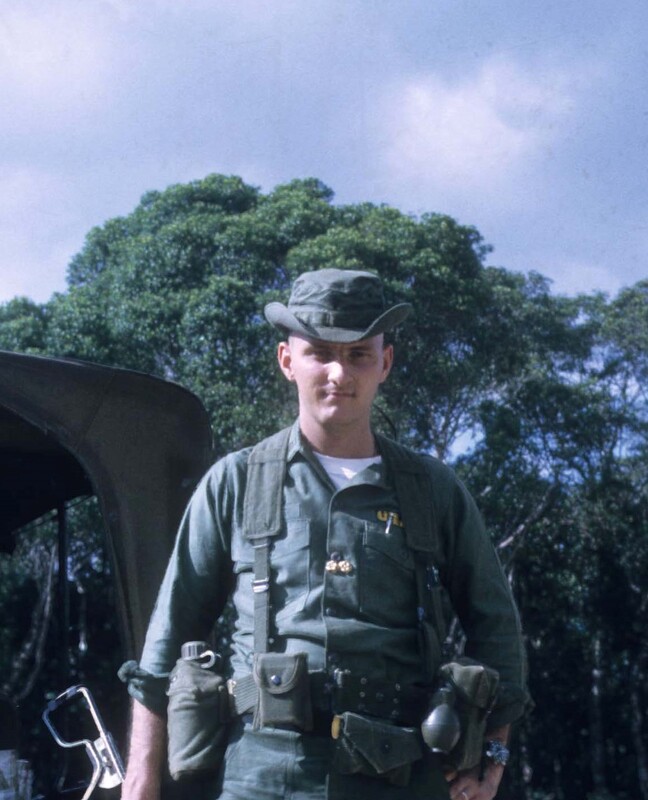
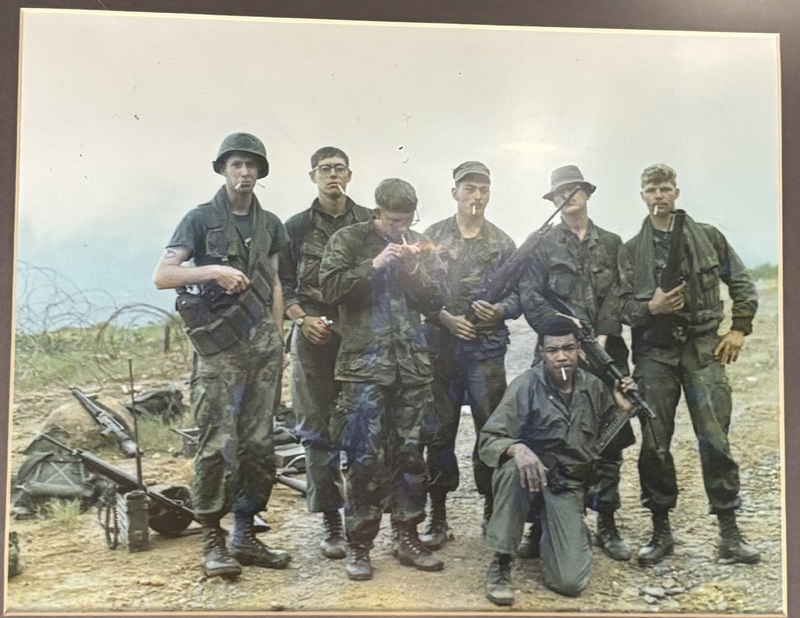
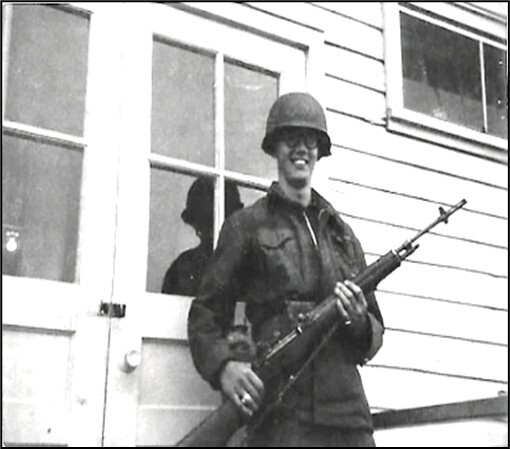
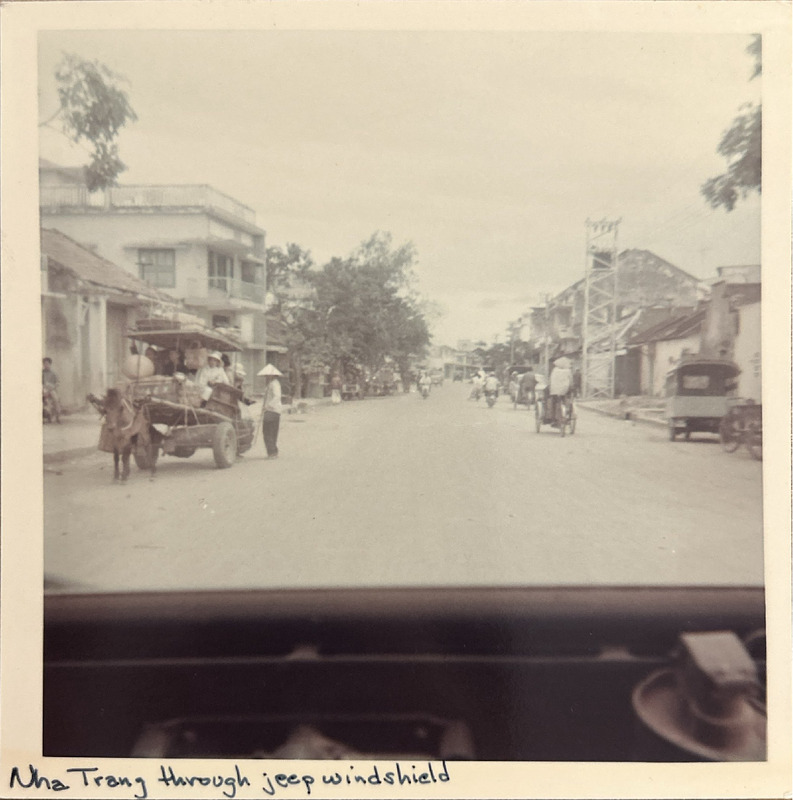
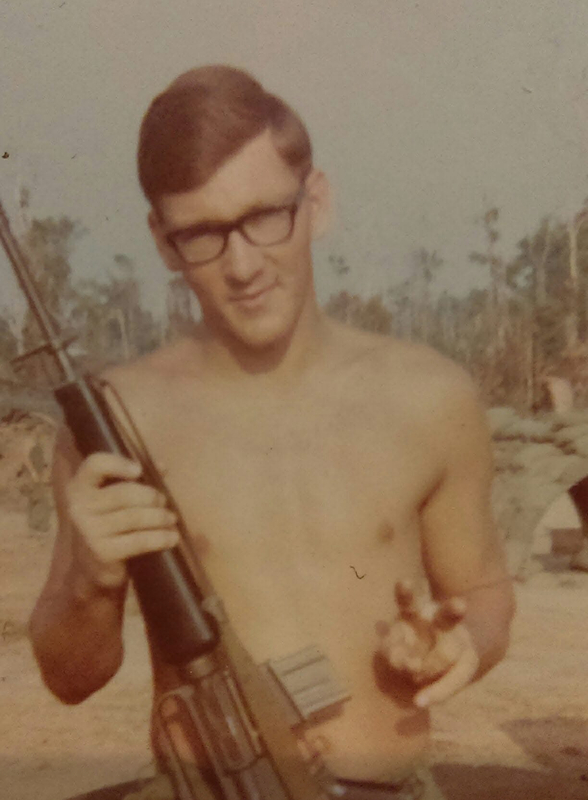
Walter Baker: Well, we finished big, went into the 91st, I believe, the 91st replacement center, and there was, you know, like, hundreds of new guys in there that just got in country. And, you know, just kind of, we didn't know what to expect. But uh, then I got assigned to the First Cavalry Division, so about a week after I was there, I got sent out to fire base with the first Cav. And, uh... you know, just, uh, got used to life out in the jungle.
Sydnee Colquitt: How long were you in the jungle?
Walter Baker: Oh, 12 months.
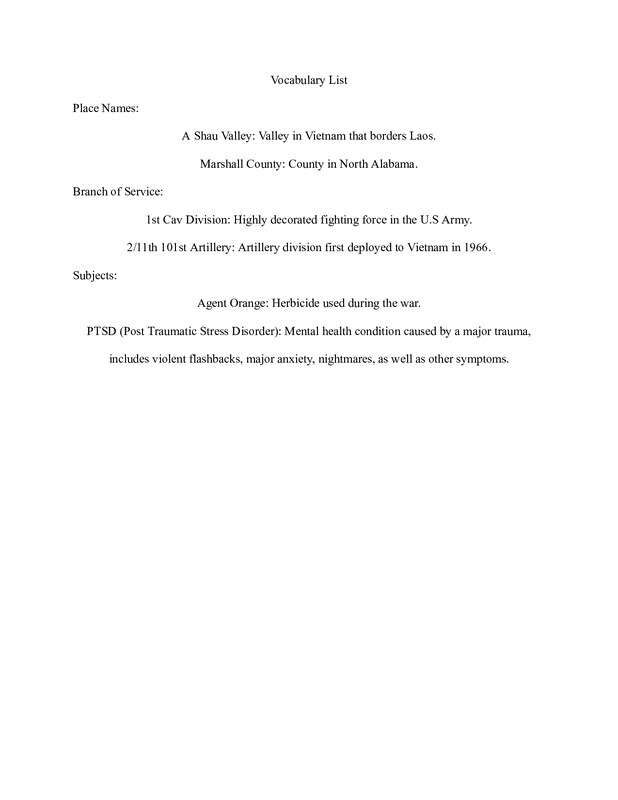
Sydnee Colquitt: Dang. You were in the A Shau Valley, correct?
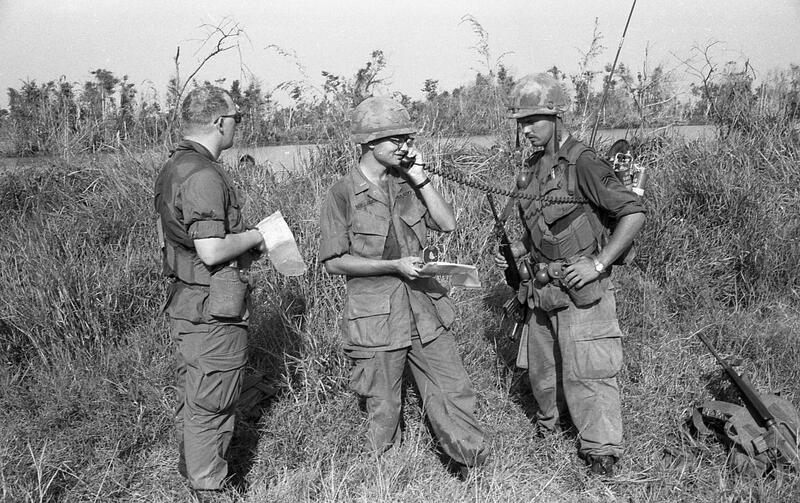
Walter Baker: I wa.. Well not start with. I was with the, uh, 1st Cav Division down south. And I stayed with them 3 months and the 1st Cav stood down and come home. So they signed us to the 100st Airborn, so I spent nine months with the 100 first. Three months with the first Cav.
Sydnee Colquitt: Can you describe your time in each?
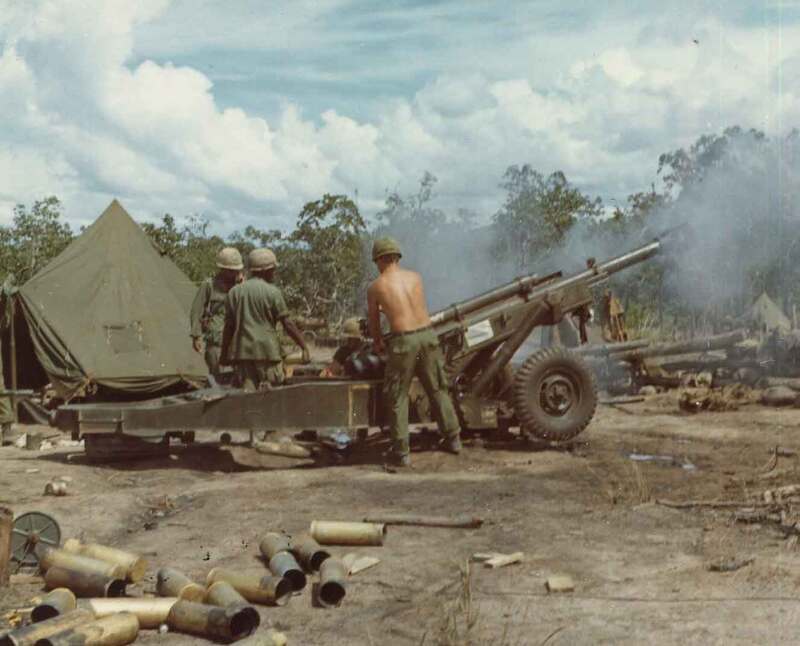
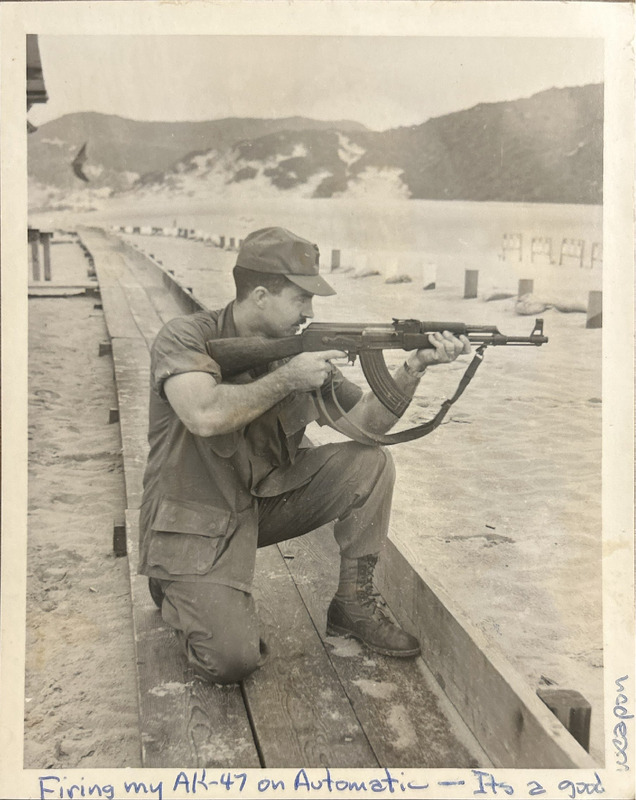
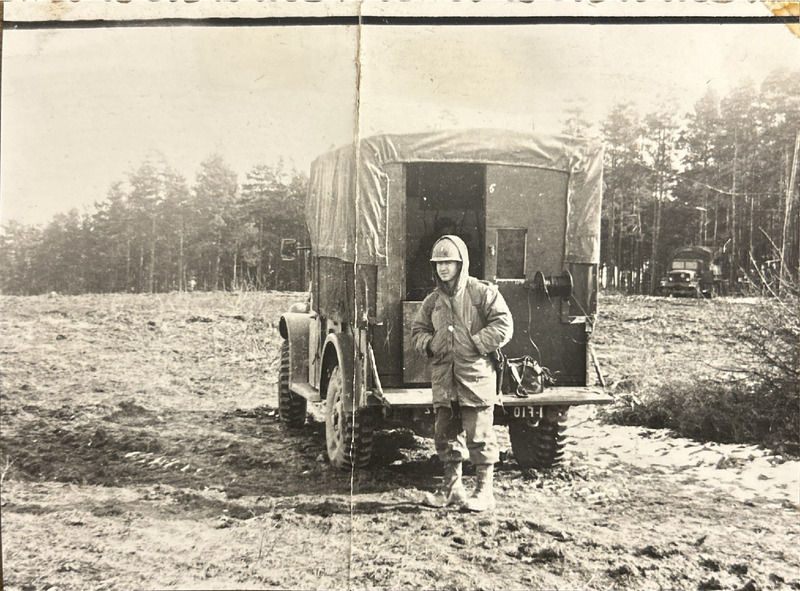
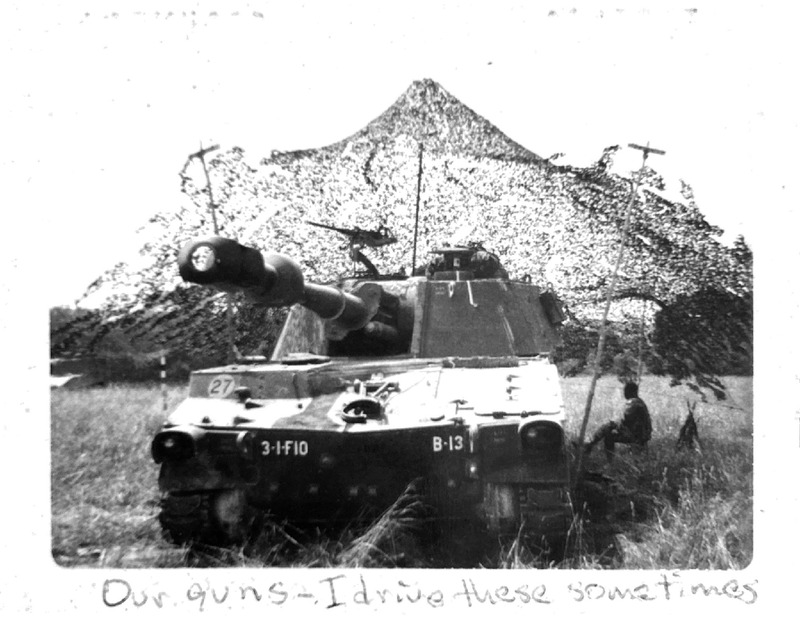
Walter Baker: Uh, The uh, first Cav, you know, is a... I can't remember the, you know we were out, close to, uh... No, I can't remember Syd, but, uh... it was just, you know, it was kind of routine, and, uh, get used to uh, you know, everything. And, uh, you know, we was on big guns, so we had to keep the guns clean, you know, and shoot all night long, and then clean guns, in the daytime, mostly, what we did.
Sydnee Colquitt: What were your thoughts or feelings about shooting all night long, and then just knowing they were still coming?
Walter Baker: Uh, I just... Really, the, uh... When daylight come, that's the main thing, you know, 'cause Charlie owned the night, we owned the day. So, you know, nighttime boy, that, you know, they do, sneak in the wire and sabotage, you know, guns and stuff, but the, uh, we pretty well stopped them from that.
Sydnee Colquitt: Can you talk about the A Shau Valley?
Walter Baker: Yeah.
Sydnee Colquitt: Go ahead.
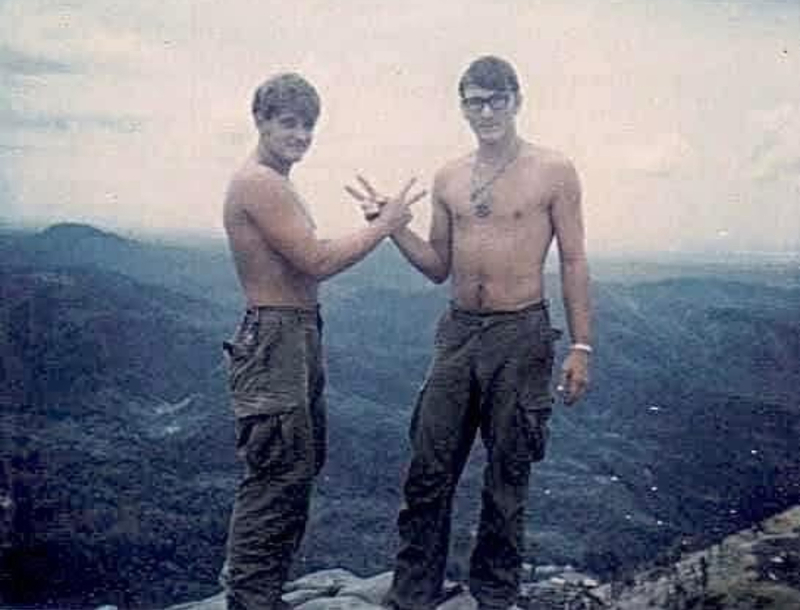
Walter Baker: I just, you know... mountainous, you know, when we come from the flatlands down in, uh... I can’t remember the name of the town I wish I could, but... um, We went from in in the flatlands, to being in total mountains, and, uh, it was all, it was completely different. You know, you'd look off the sides of the mountains, and were you was at, and straight down. But, uh... I really enjoyed being in the 101st. It was a good division, and uh, we kicked their tails all over the place up there.
Sydnee Colquitt: When you were over there, did you ever write any letters home or receive any letters?
Walter Baker: Oh yeah, yeah, momma wrote me a letter every day, I'd get about 25 of them at time, you know, they didn’t, their mail system wasn't too good, but, uh... She always wrote every day. And, uh... I wrote home, you know, uh... Tried to ride home about once a week. But, uh, you know, it just, uh, it's hectic. You didn't have time. Most of the time
Sydnee Colquitt: Did you think... So you said you liked fighting in the mountains?
Walter Baker: Yeah.
Sydnee Colquitt: Do you think you felt safer in the mountains?
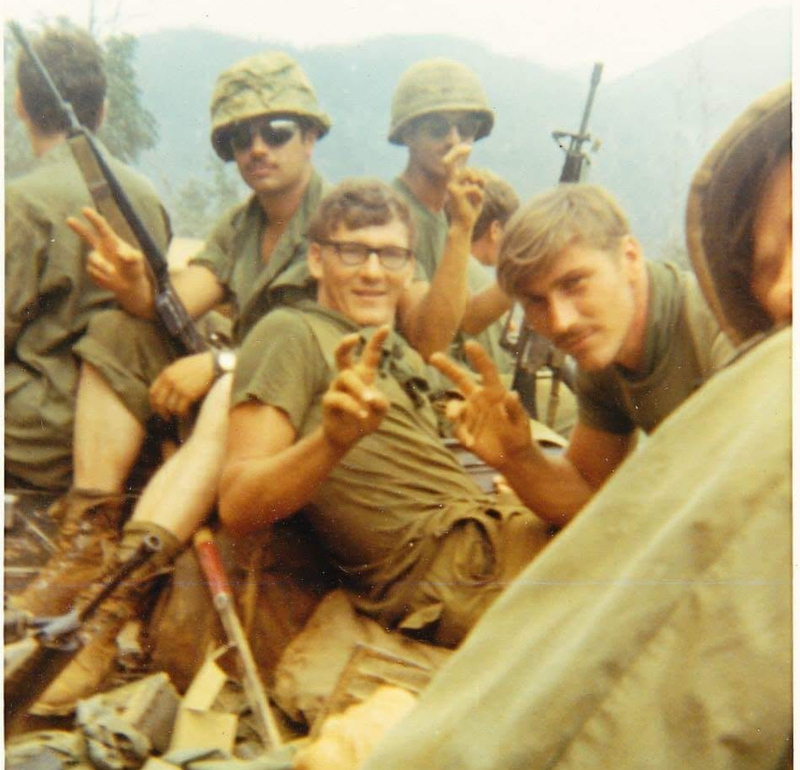
Walter Baker: Yeah. We, you know, it's hard for them to get up there to us. You know, where we was at. Uh, We had food, gas, and clay mortars, and all this kind of stuff around the bay. And...uh Charlie, he didn't... uh, He didn't have much... much, much of a change when he got into... And when we opened up on him, you know, they didn't have much of a chance. Made some real good friends, you know. I still stay in touch with a guy from Minnesota, uh, from Maryland. Called him Lurch. Real tall boy. We always called him Lurch. But, uh, everybody had nicknames.
Sydnee Colquitt: What was your nickname?
Walter Baker: Alabama Kidd.
Sydnee Colquitt: [laughs]
Walter Baker: Figured that didn’t ye.
Sydnee Colquitt: Makes sense. I think Dad's nickname in Iraq was Bama.
Walter Baker: [laughs]
Sydnee Colquitt: Or Bama Boy, something like that.
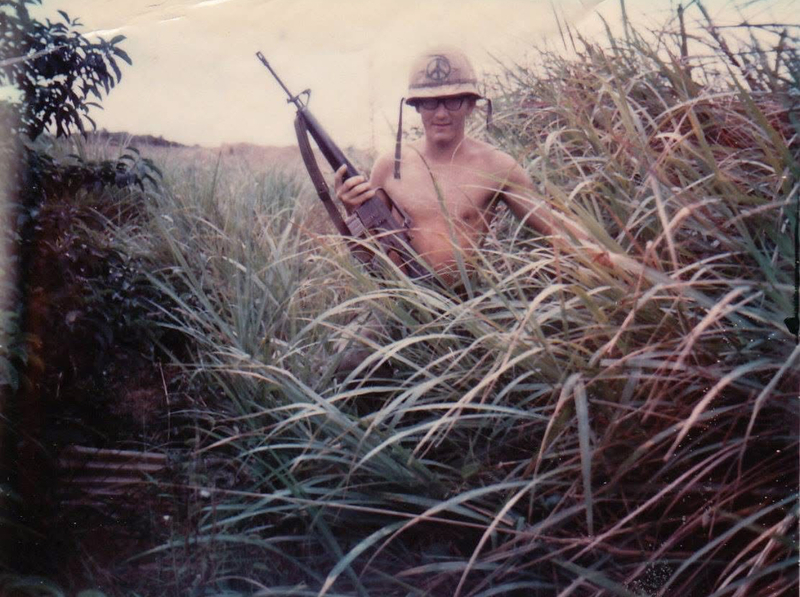
Walter Baker: Yeah. Yeah. I used to have a thing on the helmet, said, lower LA, and one ol guy from California, he said, Man, you from California? I said, naw, I’m Alabama. Lower Alabama.
Sydnee Colquitt: In our initial interview, you said that when you were over there, you fought for your friends, not for America.
Walter Baker: Yeah.
Sydnee Colquitt: Talk about that?
Walter Baker: Right, you know, keep your buddies alive, you know? Um, I think like the... America didn't care about us. You know, so... we're just fighting to keep each other alive. Get outta there. But uh.. kept some of em alive, some of em we didn't, you know. But, uh..Yeah, so... And then... um, the Vietnamese, they didn't care, you know, they just seemed to be communists as they had to be free. They hated us. We was there trying to help them, but... They hated us then we got to where we hated them.
Sydnee Colquitt: Did you ever notice the different ways that each soldiers, like, handled themselves around the Vietnamese people? How, like, some of them…
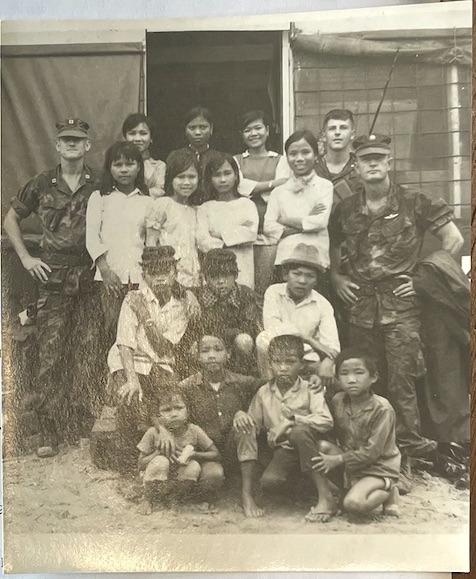
Walter Baker: Yeah, some of them treated em real bad. I didn't treat none of them bad. I just, uh... Well, we didn't hardly see anybody, 'cause were we was at, you know, like I told you last time, like, if they come to see, you better kill them. But, uh, we didn't have much, every once in a while, we get going to the rear for three days, R&R. And, you know, get drunk and mess around, you know? But, uh, that's the only time we ever saw anybody that was Vietnamese, that was friendly.
Sydnee Colquitt: Was it harder to wiggle through the jungle, you think? Or did you..?
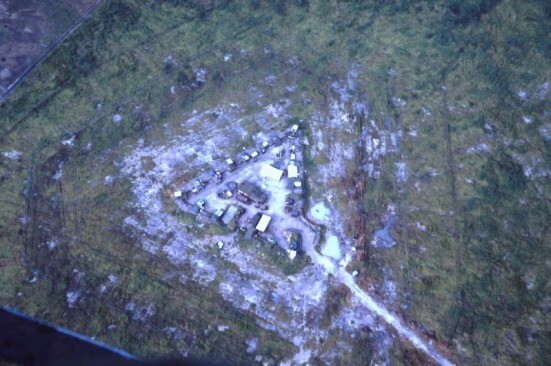
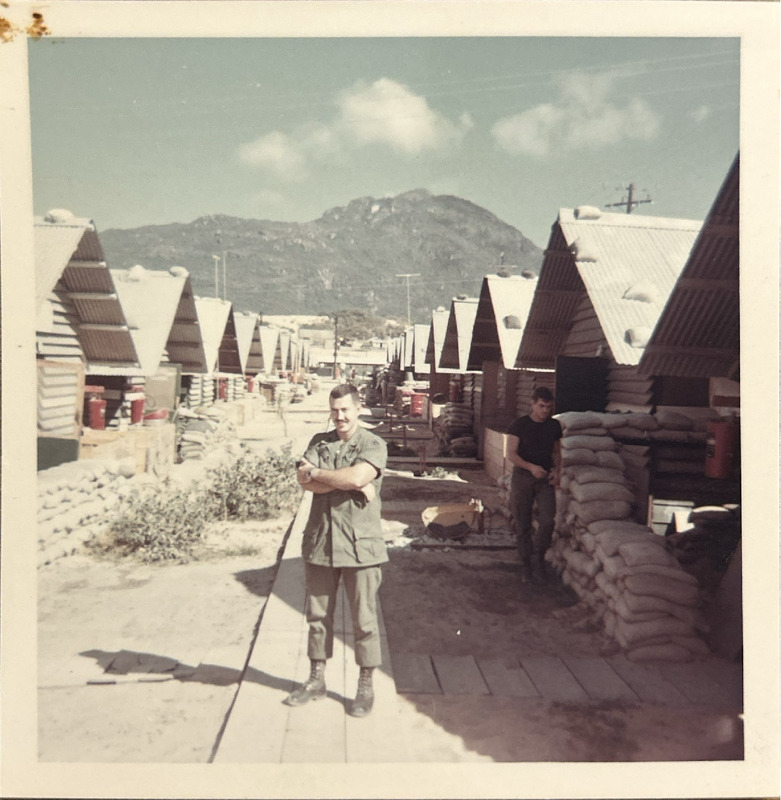
Walter Baker: Oh, well, we didn't wiggle through the jungle. We were on fire base. Okay. And they just cut off the top of a mountain and settled us down on it with a helicopter. And we never go out, go through the jungle, we just shot for the boys that was out there.
Sydnee Colquitt: Did you... I'm assume you knew, like, the news going on at home with the presidential ideas and stuff?
Walter Baker: Yeah.
Sydnee Colquitt: Did you... tend to lean more towards Nixon or Humphrey?
Walter Baker: [Laughs]
Sydnee Colquitt: Do you have any thoughts?
Walter Baker: Na, back then, I didn’t. You know?
Sydnee Colquitt: You didn’t care?
Walter Baker: Huh, huh now?
Sydnee Colquitt: You didn't care back then?
Walter Baker: Not really. You know, I never had... I never did register to vote, till Obama ran.
Sydnee Colquitt: Oh.
Walter Baker: So, you know, I said, heck, they're all crooks, and that's about right.
Sydnee Colquitt: Still are.
Walter Baker: Yeah. But the only reason I registered to vote, was cause of Obama. And I’ve voted ever since. Yeah, you just try to... put all that behind you, and you can't do it, but just do the best you can.
Sydnee Colquitt: Did you ever have any direct contact with, like, known communist, or did you just, you saw one and you shot?
Walter Baker: With non communist?
Sydnee Colquitt: With known communists. Like, people you knew were communists.
Walter Baker: Now say that again.
Sydnee Colquitt: Did you ever have any, like, direct contact with people who were known communists? Like trying to... Did you ever, like, talk to anybody?
Walter Baker: No, I killed them.
Sydnee Colquitt: That's what I thought. So you left the war in '71.
Walter Baker: '72.
Sydnee Colquitt: ‘72?
Walter Baker: Yeah.
Sydnee Colquitt: Okay. Did you know you were leaving?
Walter Baker: No I left the war in December ‘71, that’s right. Yeah, got out of the Army in ‘72.
Sydnee Colquitt: Were you told before that, or, like, you knew you were only there for so long, or was it just..?
Walter Baker: Twelve Months.
Sydnee Colquitt: Okay.
Walter Baker: Yeah.
Sydnee Colquitt: Okay. What were your thoughts on coming home?
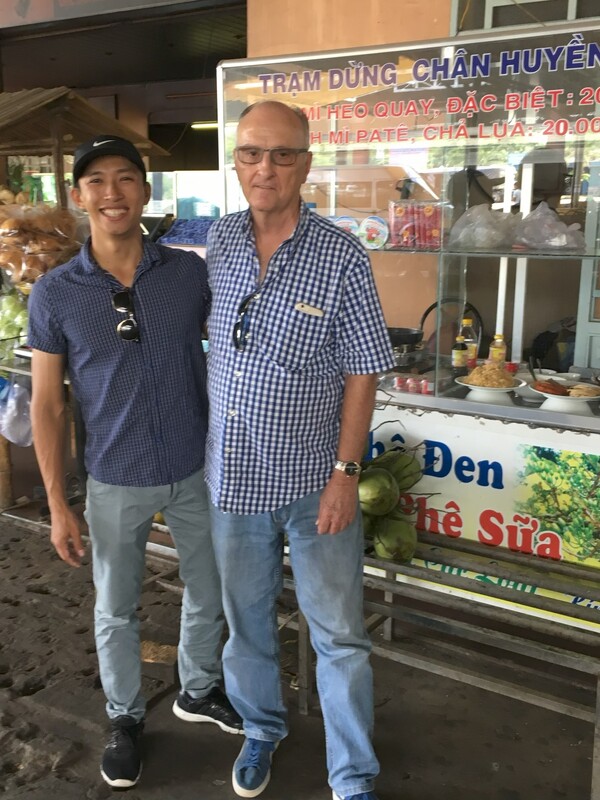
Walter Baker: Oh, man, I was ready. I was ready to get back to the world… We didn't even consider Vietnam part of the world, you know, we... We, we, we, said, you know, when we get back to the world, you know, it's what we're gonna do and stuff, but... uh, yeah, kind of, uh, Vietnam kind of dirty place back in them days. They just, uh... Now they got all expense paid vacations. I told them, I got one of them, one time, I don't want another.
Sydnee Colquitt: You would never go back?
Walter Baker: No. A lot of people likes to, you know, goes back on them honor flights and stuff, shoot, I didn't want to go start with, and I sure don't want to go back.
Sydnee Colquitt: Did you know how Americans were treating veterans when they returned home already?
Walter Baker: No.
Sydnee Colquitt: Didn’t?
Walter Baker: Muhmm
Sydnee Colquitt: How did you feel when you got home and realized that?
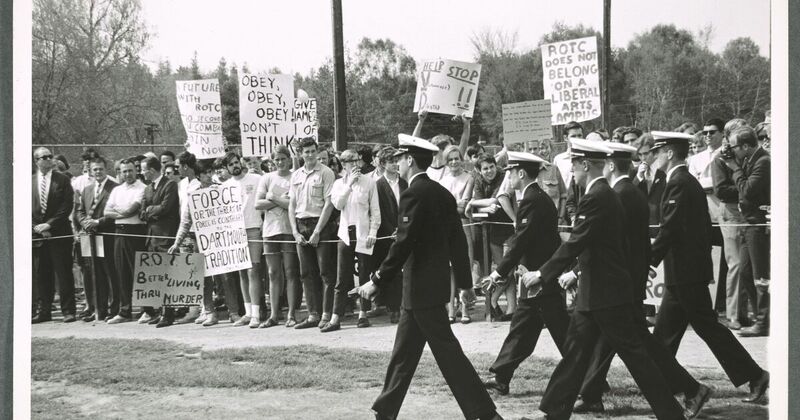
Walter Baker: Ah, you know, its awful, you know. We were just kids that done what our country asked us to do.They didn't... They spit on people, and that was, they spent on me, I would of killed them son of a guns. But, uh, you know, that ain't right. They're just now getting where they recognize us.
Sydnee Colquitt: Do you still.. [Walter begins to talk]
Walter Baker: We didn't even, I'm sorry.
Sydnee Colquitt: No, go ahead.
Walter Baker: We didn't wear our uniforms. You know, we didn't know, want nobody to know. But, uh... I just, you know, we got over it. It made us stronger.
Sydnee Colquitt: Do you still notice a... certain demeanor with people today that know you were in v..?
Walter Baker: Uhh, some people. A lot of people say I appreciate your service and more stuff like that, but, uh, a lot of people, they just kind of shy away from em. This ol crazy, veteran.
Sydnee Colquitt: Nah.
Walter Baker: Me and, uh, Danny Moon went to Goodyear when I come home, we both went to Goodyear, and put in applications, and veterans supposed to have first choice, and they hired Danny, and never did call me. That's the way they treated us.
Sydnee Colquitt: How did that make you feel when you came home, knowing you just fought for your country, and, well you know, you said it was bad, and, but did it, like, put a certain...
Walter Baker: It makes you mad at the whole world, you know? It was already crazy. But, uh... yeah, I... we were just trying to do what our government wants us to do. And, uh, yeah, I was mad at everybody and everything. Stayed drunk most of the time.
Sydnee Colquitt: What was your family life back like… Family life, like, after you returned home?
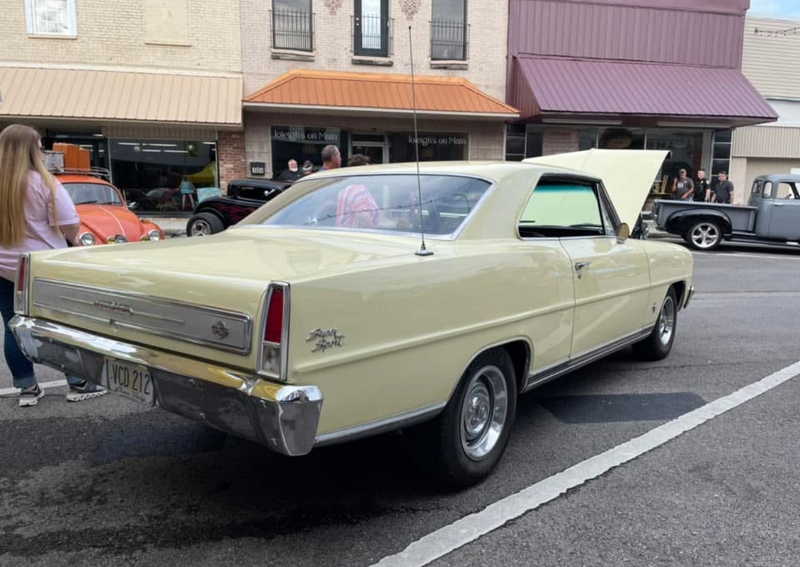
Walter Baker: It was good. Yeah. Yeah, they, uh, they treated me good. I had a 65 GTO when I went to Vietnam, and, uh, people would stop and ask Daddy, say what you’ll take for that that car, you know, he wouldn't take a million dollars for it.
Sydnee Colquitt: Why didn’t you keep that one?
Walter Baker: Ah. I wish they kept a bunch of em I didn’t keep.
Sydnee Colquitt: You got several of em.
Walter Baker: Got more than I can drive.
Sydnee Colquitt: Let me drive em.
Walter Baker: All right.
Sydnee Colquitt: I bet Judd Will drive em.
Walter Baker: Okay.
[We both laugh]
Sydnee Colquitt: Um... Did you notice any, well I'm sure you did, but what kind of hobbies changed after you got home that you didn't?
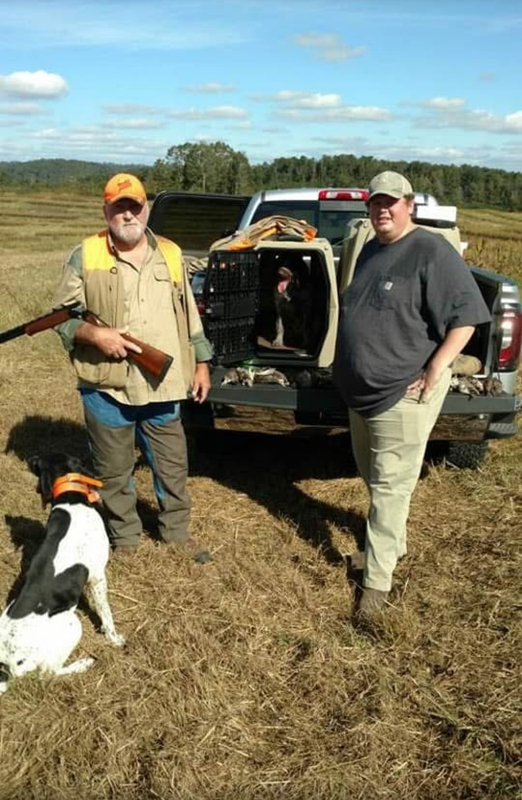
Walter Baker: That I didn't do? Yeah. Nothing. I bird hunted, you know. I just,uh, went right back to hunting.
Sydnee Colquitt: Just like Bubba. (his son)
Walter Baker: Bird hunting, drag racing.
Sydnee Colquitt: Um, What, were your, do you have any, like, major thoughts about, just really life in general that changed from before the war to after the war?
Walter Baker: For me?
Sydnee Colquitt: Mm hmm.
Walter Baker: Hmm ah, well, I don't ever sit with my back to the door.
Sydnee Colquitt: Neither does Dad.
Walter Baker: Yeah, you watch everybody. But, uh, that's about the only thing I think of, just, uh... You know, watch everybody, and, like, uh, man, uh [long pause to think] Kelly Harvey, we were coaching some little league baseball team, and, uh... this guy had a gun, everybody was running, you know, and sayin he's got a gun, he's got a gun, and everybody run away from him (man with gun), but me and him (Kelly Harvey). We took it away from him. And held him to the law got him. He was a little Mexican boy, he was scared to death, he was gonna shoot another Mexican. But it wasn't even loaded, but we didn’t know that, you know. But, you know, everybody run, but us.
Sydnee Colquitt: If you could go back and do something different, what would you do?
Walter Baker: About Vietnam?
Sydnee Colquitt: MmHmm
Walter Baker: I'd probably go to Canada. [laughs]
Sydnee Colquitt: [laughs] Run away?
Walter Baker: Yeah. So they let everybody come back home, you know? When I was on R&R, I'll tell you, this little story, was in Sydney, Australia, and got hooked up with this little girl, and she said, Won't we just go up to my uncle's sheep farm and live. Boy, that was tempting. But I said nah, I said, they wont never let me go back home. But, uh, do that, but I couldn't do that.
Sydnee Colquitt: But you wanted to?
Walter Baker: I thought about it. A little brown eyed girl.
Sydnee Colquitt: You'd never know me then!
Walter Baker: I know it, and I wouldn't have missed that for nothing. Pretty smile.
Sydnee Colquitt: Thank you. Looks like Aunt Bick Bicks. (married to her previously) That's what people at school, people at school tell me, me and Ashton (“Bick Bick’s” son, not with Walter) look alike.
Walter Baker: You and Ashton? Mm hmm.
Sydnee Colquitt: They call me female Ashton. Say that, um…
Walter Baker: Well he ain’t near as pretty as you are.
Sydnee Colquitt: Nah.
Walter Baker: Never did get to know Ashton too good.
Sydnee Colquitt: Me and Ashton are pretty good buddies, but he don't come around a lot anymore.
Walter Baker: Yeah, that's good. I know he missed his mama.
Sydnee Colquitt: Yeah. He stayed with us a lot. When, in 2008 and 9.
Walter Baker: You know, yeah, I'd do a lot of things different you know? But.
Sydnee Colquitt: Would you ever think, or did you ever think about going back or were you done?
Walter Baker: No, I’s done. Done!
Sydnee Colquitt: Sounds about right.
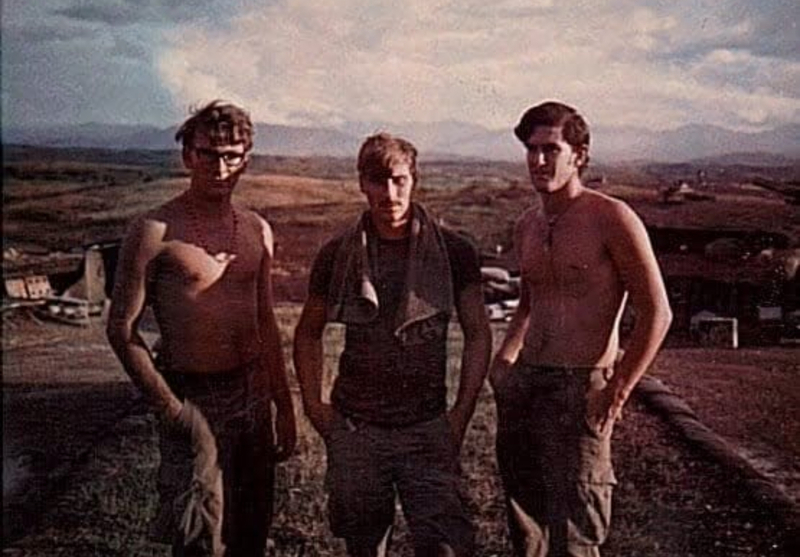
Walter Baker: You can imagine where, you know, it was on the hilltop, nothing there, you know, never saw anything. Anybody, you know, they'd fly in supplies and stuff to us. Ammo.
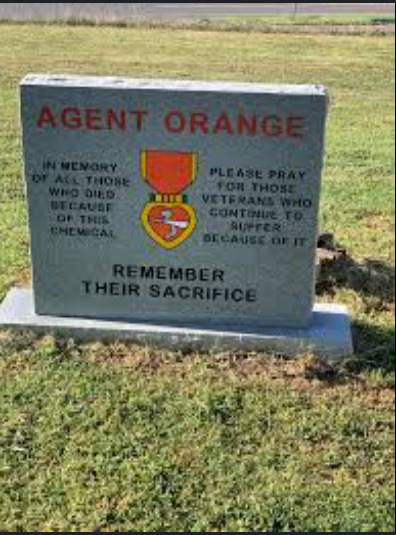
Sydnee Colquitt: Um, how long after you got back from the war, did you realize that Agent Orange had an effect?
Walter Baker: Oh, it was... probably 20 years. I mean, it kind of probably, probably 20 years after I got back. Started having a little some cancers come up everywhere, you know, and see where they cut my ears off, but, uh... the last three, three, four years, I really... just kind of been four time cancer survivors. Just got one kidney. Yeah. One eye, I'm hanging in there.
Sydnee Colquitt: Going strong!
Sydnee Colquitt: Um... Is there anything you want to talk about that I haven't asked? Something interesting? Need to know?
Walter Baker: Oh, no, not really hun. Not big on talking about that.
Sydnee Colquitt: Makes sense.
Sydnee Colquitt: I don't reckon I have any more questions.
Walter Baker: All right!
[we then continued on with a personal conversation and said our goodbyes and thank you’s later on]